If it’s been a while since you last had a brake check or if you have any concerns about the state of your brakes, get in touch with RSC and we’ll take a look.
Brake check
Our knowledgeable technicians will carry out a thorough visual inspection that covers all the components of your vehicle braking system, including brake pads, shoes, calipers, discs or rotors, hoses and the handbrake cable. We’ll also check the level and condition of your brake fluid and ensure there are no fluid leaks in the system.
Brake service
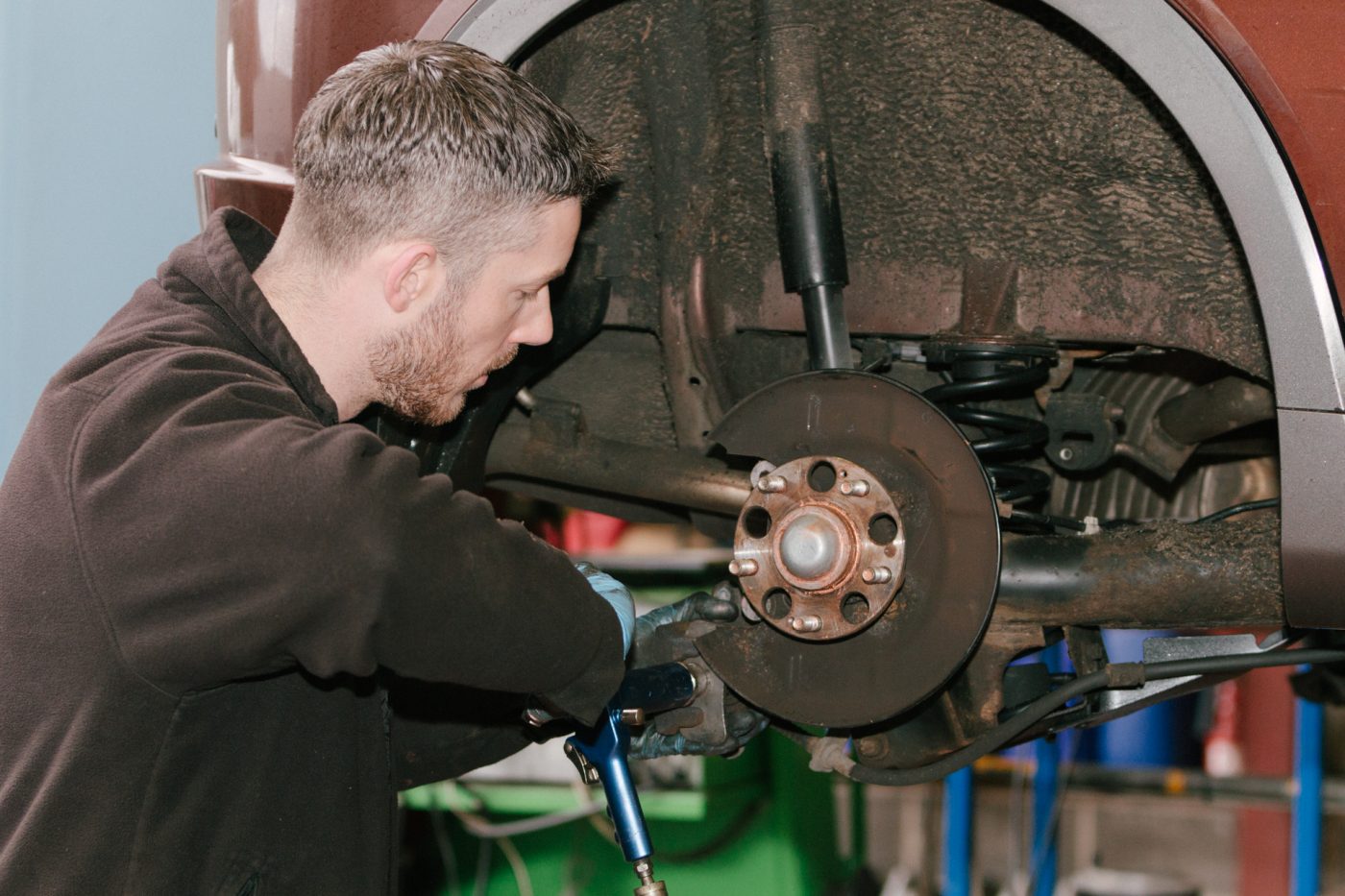
If during the diagnostic brake check we find issues with the condition of the brake system, we’ll recommend a brake service. This involves removing and cleaning road debris from your brakes where dust and stones have entered the system, or in some cases have even become embedded in brake pads. We will also replace brake fluid where necessary, or top-up brake fluid where the condition is good but the level too low.
Brake repair and brake pad replacement
Where the condition of any components are found to have deteriorated significantly we’ll recommend repair or replacement. When replacing any components our skilled technicians will only use Original Equipment (OE) parts or a high-quality equivalent, and will carry out the work to the highest standard.
Brake pad replacement is one of the most common maintenance tasks we carry out due to the limited lifespan of the brake pad friction material. A set of brake pads can last more than 60,000 miles if your vehicle spends much of its time on the motorway, but brake pads on a car driven in the city may only last up to 25,000 miles.
Do I need a brake check?
The most obvious indication that you need a brake check is the illumination of the relevant dashboard warning light, but it’s not always that obvious.
Here are a few tell-tale signs:
- Grinding/scraping sound – usually due to debris or excessive brake pad wear
- Squeaking or squealing – this could be caused by a brake pad wear indicator or a stuck caliper
- Pulling to the left or right – if your vehicle pulls to either side when you apply the brakes you may have a sticking hydraulic component or seized caliper
- Throbbing or pulsating brake pedal – likely caused by a brake rotor that’s warped due to excessive heat and will need to be replaced
- Spongy or unresponsive brakes – air may have entered the brake fluid lines and your brakes will need to be bled in order to remove it
- Soft brake pedal – if your brake pedal is easily pressed to the floor of the footwell there may be a serious fault with your car’s braking system
Handbrake repair or cable replacement
Our experienced mechanics will check your handbrake when we carry out a diagnostic brake check. Where your handbrake travels too far it may just require adjustment, but if the hand brake cable has snapped we will replace it for you.
If your vehicle is suffering from any of the above issues or if it’s been a while since your last brake check, get in touch with our friendly team and we’ll get you booked in.